
Every website owner knows that picking the right web hosting plan is crucial to keeping things running smoothly. But here’s the thing—your site doesn’t stay the same forever. As your website grows, you might start to notice that your current hosting plan just isn’t cutting it anymore. Maybe things are running a bit slower, or you’re getting more traffic than your server can handle. That’s when you start asking yourself, “When do I need to upgrade my web host?” Don’t worry—you’re not alone! Upgrading your hosting plan can feel like a big leap, but it’s actually one of the best decisions you can make for your site’s performance, security, and overall user experience. The trick is knowing when it’s time for that upgrade. So, let’s take a look at the signs that scream, “It’s time to level up your hosting!”—because waiting too long could hold back your website’s growth. Time to learn if its time to upgrade our web hosting plan.
A. Your Website is Slowing Down
If you’ve noticed that your website is taking longer to load, that’s a major red flag. A slow website doesn’t just frustrate visitors; it also harms your SEO rankings. Search engines like Google prioritize websites that load quickly, so a lagging site might cause you to lose valuable traffic.
Why Page Speed Matters?
- SEO Impact: Search engines rank faster websites higher.
- User Experience: A slow site leads to a high bounce rate.
- Conversions: Slow websites lose customers—whether you’re running an online store or simply trying to get people to sign up.
If you’re experiencing slow load times, it could be a sign you need to upgrade your web hosting plan. With an upgraded plan, such as moving from shared hosting to a cloud hosting plan, you can ensure faster performance.
B. Traffic Spikes Are Too Much to Handle

Credit: queue-fair.com
Have you noticed that your website crashes during peak traffic times? Maybe your marketing campaigns or social media promotions are driving traffic to your site, but your hosting plan can’t handle it. If your server is consistently overwhelmed by spikes in traffic, that’s a clear sign you need to upgrade your web hosting plan.
How Traffic Spikes Affect Your Website
- Overloading Servers: Shared hosting can only handle so much. When traffic spikes, your server may go down, causing downtime.
- Missed Opportunities: Lost visitors during these spikes mean lost opportunities for sales or engagement.
- Negative Reputation: Frequent downtime can damage your brand’s reputation.
When you experience these traffic spikes, it’s time to upgrade hosting plan to something more scalable, like Standard Hosting, which provides more resources to accommodate fluctuating traffic loads.
C. Your Website is Growing Faster Than Your Current Plan
As your website grows, so do its needs. From more storage to higher bandwidth, your current plan might not be able to keep up with your growing requirements. If you’re regularly hitting your plan’s limits, it’s definitely a sign you need to upgrade your web hosting plan.
Signs You’re Outgrowing Your Current Plan
- You’ve maxed out your storage space or bandwidth.
- You’re constantly receiving warnings from your hosting provider about reaching your limits.
- You’ve added new features, like e-commerce, and need more resources to support them.
An upgrade could be as simple as moving to a higher-tier shared hosting plan or migrating to a more robust cloud or VPS hosting plan.
D. Security Features Are Falling Short

Credit: cnet.com
Security should always be a top priority for your website. If you’re still on a shared hosting plan, you might not have access to the advanced security features that come with a higher-tier plan. Security breaches are not only costly but can also cause irreparable damage to your brand’s reputation.
Why Security Matters?
- Hackers Love Shared Hosting: Since resources are shared, vulnerabilities in one website can potentially affect others.
- Protect Sensitive Data: If you handle customer information (like payment details), you need the best security features available.
- SSL/TLS Encryption: Upgraded hosting plans often include SSL certificates, which are critical for secure transactions and building trust with visitors.
If your website lacks proper security measures, or you feel you’re vulnerable to attacks, it’s time to move to a hosting plan that includes stronger security features.
E. Your Website’s Content is Expanding
If you’re adding more content to your website—like videos, blog posts, images, or product listings—you’ll need more storage and bandwidth. A hosting plan with limited resources might not be able to keep up, leading to slowdowns or crashes. When this happens, it’s a sign you need to upgrade your web hosting plan.
Why Content Growth Affects Hosting?
- More content = more storage.
- Larger files like videos and images require more bandwidth.
- Frequent updates mean you need a more reliable, flexible hosting solution.
When content expands, it’s time to upgrade your web hosting plan to a more powerful option that can handle your growing website needs.
F. You’re Seeing Errors and Downtime Too Often
Credit: inflowinventory.com
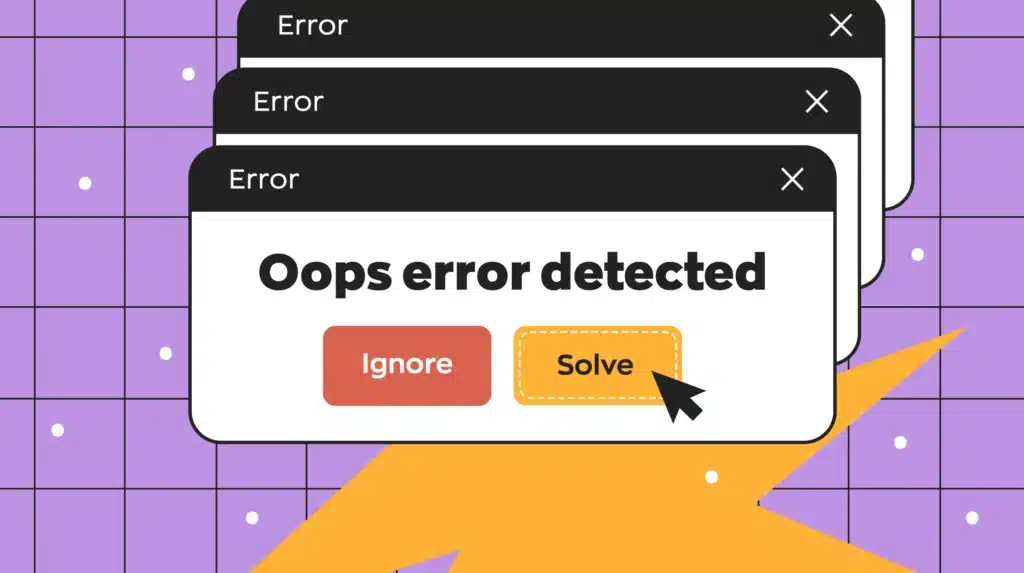
Error messages like “503 Service Unavailable” or “Internal Server Error” are signs that your hosting plan is struggling. These errors, often caused by a lack of server resources, can result in frustrating downtime for your users. If you’re seeing these too often, it’s time to consider upgrading your hosting plan.
Why Downtime Is Bad?
- Lost Visitors: Every minute your website is down is a lost opportunity for visitors and customers.
- Search Engine Rankings: Frequent downtime can harm your SEO efforts.
- User Trust: Downtime damages the trust visitors have in your website.
If these errors are becoming a regular occurrence, it’s definitely time to upgrade your web hosting plan.
G. Shared Hosting Isn’t Cutting It Anymore
When you first start out, shared hosting can be a cost-effective option. But as your website grows, shared hosting might no longer offer the performance, reliability, or resources your site needs. Shared hosting plans are good for small websites, but larger, more complex sites often need more power and flexibility.
Signs Shared Hosting Isn’t Enough
- You’re sharing server resources with too many other websites, leading to performance issues.
- Your site needs specific server configurations or software that shared hosting can’t offer.
- You require more bandwidth or storage than your shared plan provides.
If your shared hosting plan is no longer cutting it, it’s time to explore cloud hosting or VPS hosting.
Can I Upgrade My Hosting Plan?
Credit: hostinger.com
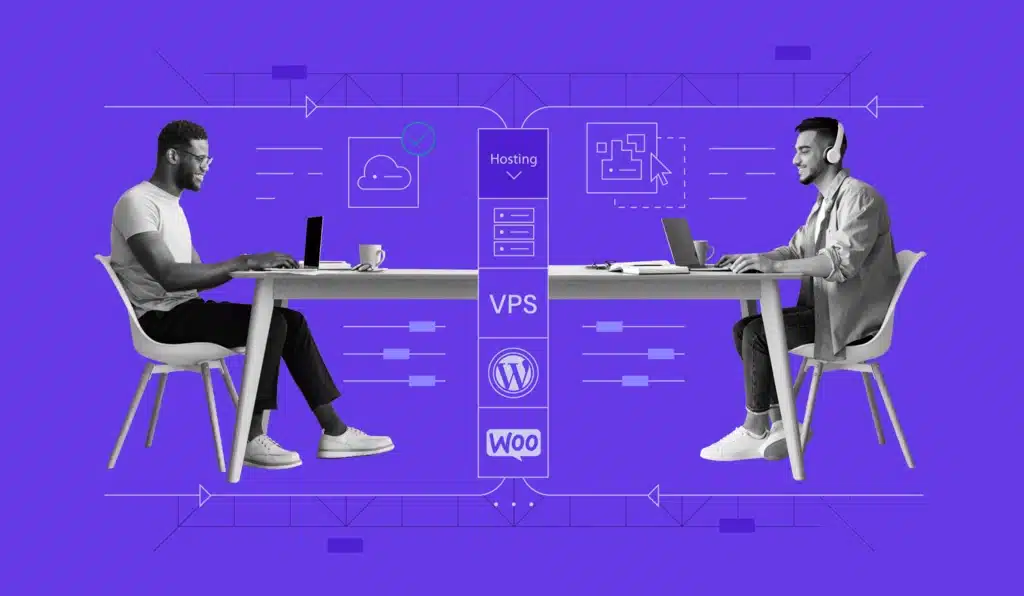
Yes! The good news is that most hosting providers offer easy ways to upgrade your hosting plan. Whether you’re moving to a higher-tier shared hosting plan, switching to a VPS, or going all-in with cloud hosting, most providers make the transition smooth.
Just be sure to check with your hosting provider about the available upgrade options and what’s included with each new plan.
For faster speeds and more flexibility, you might want to consider cloud hosting, which can offer more resources for your growing needs.
Upgrade WordPress Plan or Host?
If you’re using WordPress, you might be wondering whether you need to upgrade your WordPress plan or your hosting plan. Generally, if your hosting plan isn’t sufficient to support your WordPress website’s traffic or content growth, upgrading your hosting plan is the way to go. WordPress-specific hosting plans can be a good fit for certain needs, but don’t forget that your web hosting plan might need an upgrade to provide the resources necessary for WordPress to perform optimally.
FAQ’s
Curious if it’s time to upgrade? Check out these FAQs to get the answers you need—your website’s future might depend on it!
What are the signs to upgrade a web hosting plan?
Look for slow page load times, frequent downtime, error messages, and warnings about exceeding your bandwidth or storage limits.
How do I know when to upgrade web hosting plan?
If your site’s performance is suffering due to increased traffic, content, or security needs, it’s time to consider upgrading your hosting plan.
When do I need to upgrade my web host?
Upgrade when you start seeing a decrease in site performance, security concerns, or handling more traffic than your current plan can support.
Can I upgrade my hosting plan?
Yes! Most hosting providers offer flexible options to upgrade your plan easily.
What happens if I don’t upgrade my hosting plan?
Failure to upgrade can result in slow page speeds, increased downtime, security risks, and ultimately, lost traffic and customers.
Ending Remarks
If you’ve noticed any of the signs that you need to upgrade web hosting plan, don’t wait too long to make the change. Upgrading your hosting plan can give your site the speed, reliability, and security it needs to grow successfully. Whether you’re considering Standard Hosting or Cloud Hosting, the right plan will provide your website with the resources it needs to thrive.
Ready to give your website the boost it deserves? Don’t wait—upgrade your hosting plan with Ignishost today and watch your site thrive!
Make the switch today, and watch your website perform at its best!