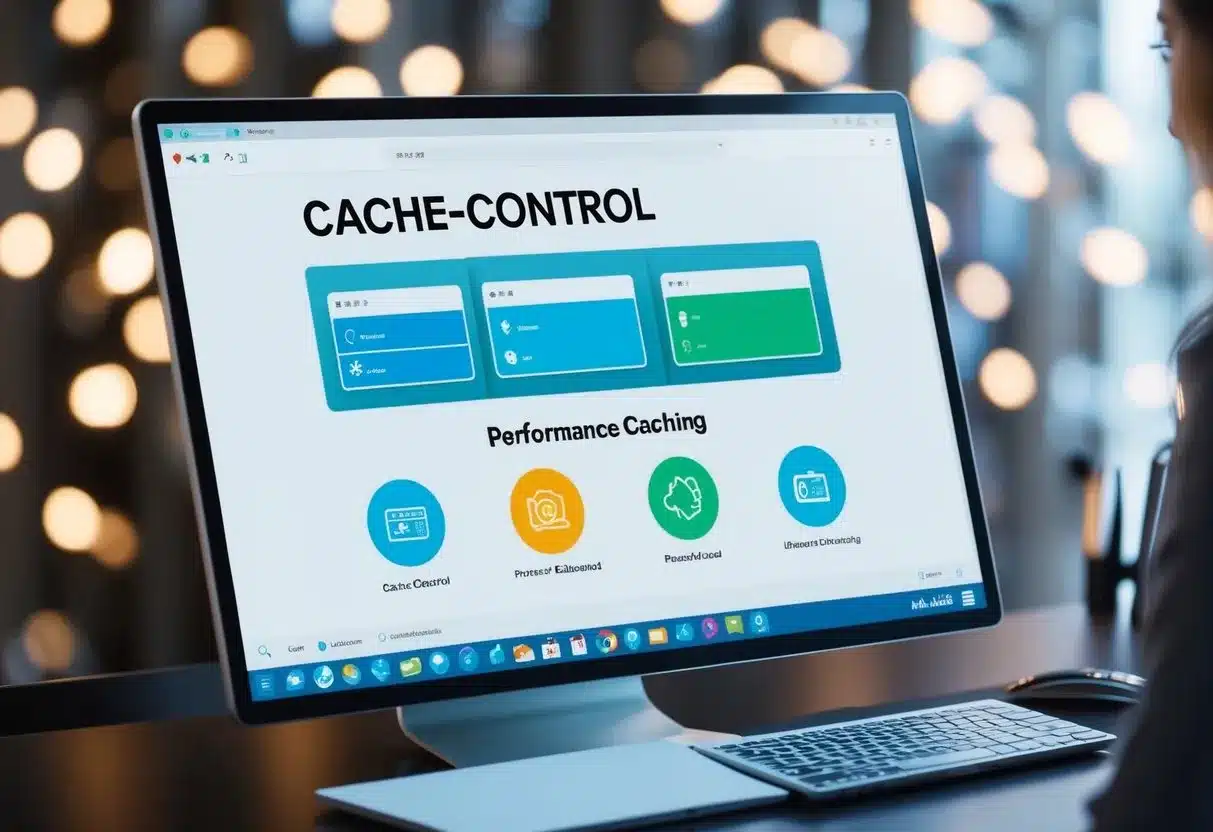


We all know that feeling when you’ve got the perfect idea for a website, one that’s going to blow people away. But it’s only going to succeed if your hosting is solid. Choose the wrong hosting, and your idea might never get off the ground. In simple words, hosting helps your site be visible to the online community, so it’s very important for your business to get recognized. Let’s walk through how to choose a hosting provider so your website can reach its full potential.
What is Web Hosting Anyway?

Credit: techradar.com
Before we jump into choosing a hosting provider, let’s clear up what web hosting actually is. Simply put, website hosting is the service that makes your website accessible on the internet. Imagine your website as a house. The hosting provider is like the land where your house is built. Without land, your house wouldn’t exist, right? The same goes for websites. Without website hosting, your website wouldn’t be visible to the world.
Hosting services provide storage space for your website’s files, ensuring your site is up and running 24/7. Now that we’ve got that covered, let’s get into how to pick a web hosting service that works for you.
Step 1: Understand the Different Types of Web Hosting
You’ve probably seen terms like shared hosting, VPS hosting, and dedicated hosting thrown around. But what do they actually mean? Let’s break them down:
Shared Hosting

Credit: hostitsmart.com
This is the most common and affordable type of hosting. It’s like renting an apartment in a building with lots of other tenants. While it’s cost-effective, you’re sharing resources like bandwidth and server space with other websites. This is perfect for personal blogs or small websites that don’t expect a ton of traffic.
If you’re just starting out, shared hosting could be the best option for beginners.
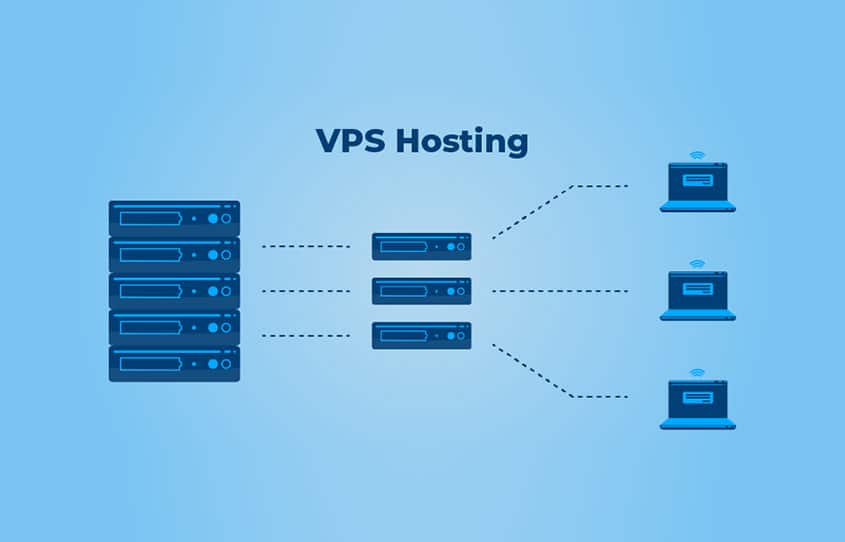
VPS Hosting
Credit: vocal.media
It stands for Virtual Private Server. It’s like renting a house instead of an apartment. You still share the server with others, but you get more control and resources. This is great for websites that have outgrown shared hosting but aren’t ready for the big leagues yet.
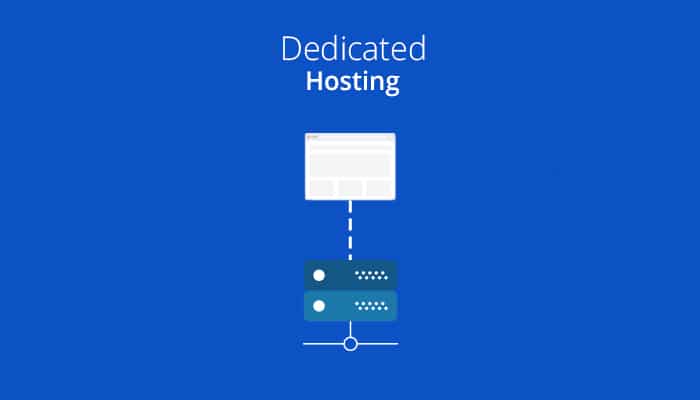
Dedicated Hosting
Credit: cloudways.com
With dedicated hosting, you get your very own server. It’s like owning your own plot of land and building a custom house. This option is best for large websites with high traffic or businesses that require full control over their server environment.
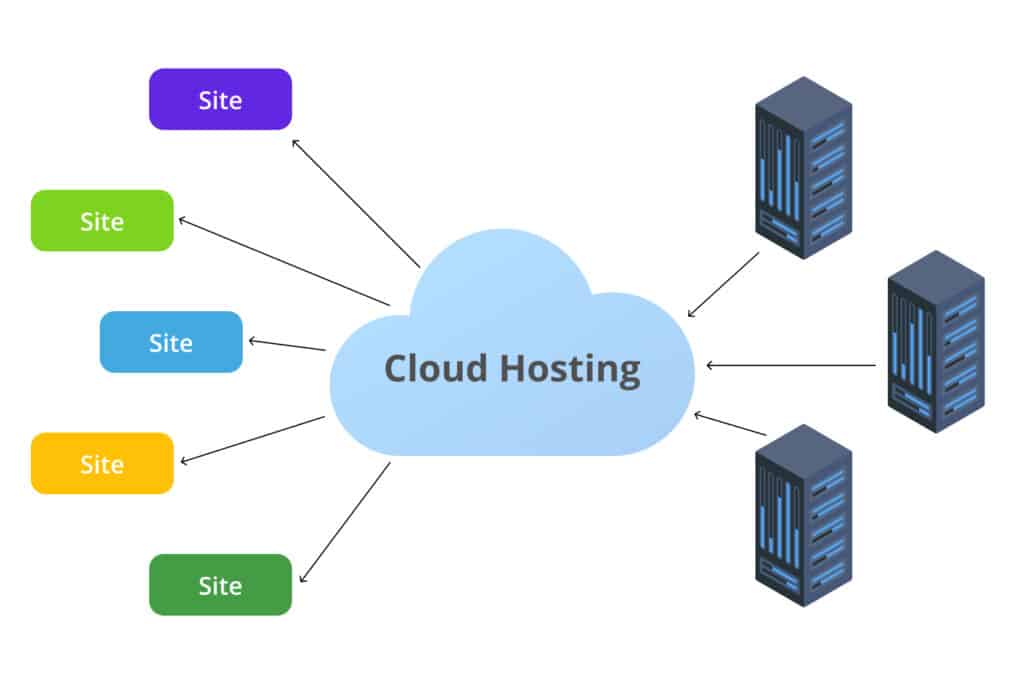
Cloud Hosting
Credit: blog.colobridge.net
Then comes cloud hosting. It is becoming more popular, and it’s essentially a mix between shared and dedicated hosting. It’s like renting a co-working space where you have access to shared resources, but you can scale up easily as your business grows.
When choosing a hosting provider, think about your website’s size, expected traffic, and how much control you want. If you’re just starting out, shared hosting might be the way to go. But if your website is growing and you’re looking for something more flexible, a VPS or cloud hosting might be a better fit.
Step 2: Know Your Budget
Let’s be honest, everyone wants a great deal, right? But when it comes to website hosting and maintenance, cheaper isn’t always better. If you’re just starting and need something simple, shared hosting is typically affordable and does the job. However, if your website grows and starts getting more traffic, you’ll need to upgrade.
A reliable hosting provider might cost a little more, but it’s worth it to avoid frustration later on. Take a look at your budget and be realistic. You don’t need to overspend, but at the same time, you want a provider that offers good value for the price.
This is where Ignishost saves you a day. We offer reliable hosting options, no matter what the website. So, choose our standard hosting if you want your online business to reach new heights of success.
Key Considerations
- Look for hosting offers that provide long-term value.
- Understand the different plans and what’s included in each.
- Don’t sacrifice customer support and reliability for a cheaper plan.
Step 3: Look for Uptime and Reliability

Credit: binpress.com
Imagine if you’re hosting a party, and suddenly, the lights go out. That would be awkward, right? The same goes for your website. You want to make sure your hosting provider has great uptime. Uptime of any website is the amount of time it stays operational and available to visitors without interruption.
Look for a hosting provider that guarantees 99.9% uptime. This means your website will be up and running almost all the time. If the provider promises anything less, it might be time to look elsewhere.
Step 4: Customer Support
Here’s the thing: nothing’s perfect. Even the best websites experience hiccups now and then. When your website goes down or you run into a technical issue, you’ll want support that’s there for you.
Check out the customer support options of the hosting provider. Do they offer 24/7 support? Are there multiple ways to get in touch (phone, chat, email)? You don’t want to be stuck in the middle of the night trying to figure out how to fix something.
Things to Look For
- 24/7 customer support availability.
- Multiple communication channels (live chat, email, phone).
- Quick response times and helpful answers.
Do you know who offers full-time customer support and quick responses? No other than Ignishost! We will not just offer hosting but also active communication so you can sort issues promptly. So, get in touch now!
Step 5: Check for Security Features

Credit: ovhcloud.com
The safety of your website is non-negotiable. Nobody wants their website to be hacked, right? Make sure the hosting provider you choose offers strong security features, like SSL certificates, firewalls, regular backups, and website hosting and SEO tools.
SSL certificates are crucial for keeping your site secure and protecting sensitive information. They also help with SEO, making your website more trustworthy to Google and potential visitors.
Step 6: Consider Scalability
As your website grows, you might need to scale up your hosting. Scalability is the ability to upgrade your hosting plan easily as your website gets more traffic or requires more resources.
A good hosting provider should offer flexible plans that allow you to scale up when needed. This way, you won’t have to go through the hassle of transferring to a new provider as your site expands.
Step 7: Look for Extra Features

Credit: superdevresources.com
Some hosting providers offer extra features that can make your life easier. These may include things like free website migration, one-click installs for popular CMS platforms like WordPress, and even free domain registration. These little extras can add value, so keep an eye out for providers that go the extra mile.
I think that’s all for your question: how to choose a hosting provider. Weigh all the ins and outs and choose wisely.
The Wrap-Up
In a nutshell, choosing the right hosting provider takes one step at a time; you’ll find the perfect fit. Just remember to assess your website’s needs, budget, and the features that matter most to you. Whether you’re just starting out or looking to scale, there’s a hosting provider out there that’s perfect for you.
Frequently Asked Questions
Let’s wrap up the discussion by covering hosting questions.
What is the difference between shared hosting and VPS hosting?
Shared hosting means your website shares a server with other sites, while VPS hosting gives you more control and resources without the high cost of dedicated hosting.
Is cloud hosting more expensive than shared hosting?
Yes, cloud hosting is usually more expensive, but it offers more flexibility and scalability, making it a great choice for growing websites.
How important is website uptime?
Very important! You want your website to be available to visitors all the time. Look for hosting providers with at least 99.9% uptime.
Do I need SSL for my website?
Yes! SSL certificates protect sensitive data and help your website rank better on Google. They also give visitors peace of mind.
What if I need to upgrade my hosting?
Look for a hosting provider that offers scalable plans. This way, you can easily upgrade your hosting as your website grows without much hassle.