

We’ve all been there, trying to figure out the world of websites, especially when you’re getting your online business off the ground. At first, I didn’t even know what hosting was, let alone how it compares to a domain. It was a bit confusing, to say the least! But understanding hosting vs domain is key to building a successful website. Once I figured out hosting vs domain, everything made so much more sense. In this blog, I’ll break it down for you so you can easily see why both are crucial for your online presence.
What is a Domain Name?
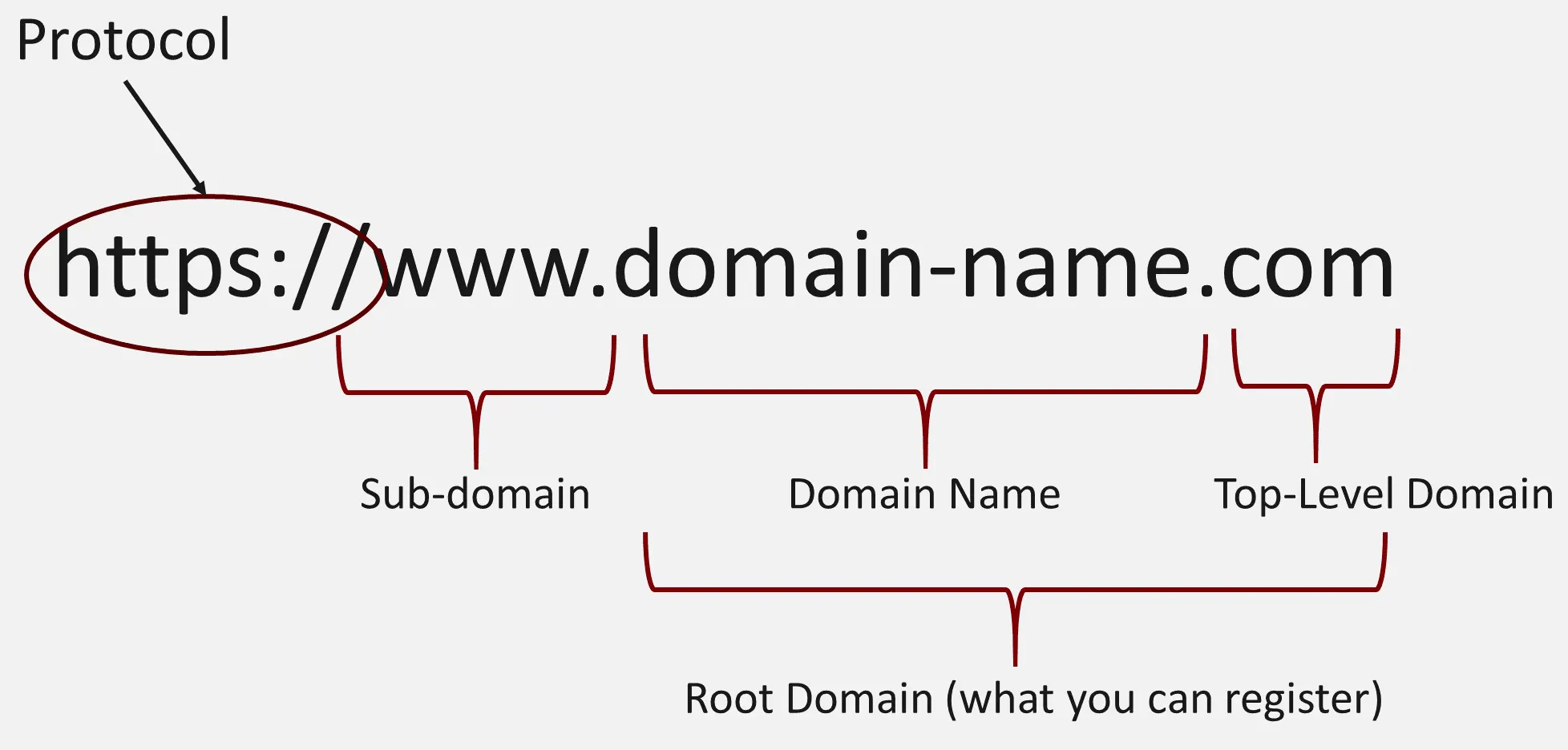
Credit: love2dev.com
Let’s talk about the domain name. This is the address of your website on the internet. Just like your home has a street address, your website needs a unique domain name for people to find it. For example, “ignishost.com” is the domain name for the company you’re reading this from.
So, why does a domain name matter?
- It’s your website’s identity. A memorable and easy-to-type domain name can make a huge difference.
- It’s how people find you. Without a domain, no one would know where your website is.
But here’s the kicker: owning a domain name doesn’t mean you own it forever. You lease it for a period, usually a year. You need to renew it each year to keep the rights to that domain. Think of it like renting an apartment. If you stop paying the rent (aka the registration fee), you might lose it.
Key Points About Domain Names
- It’s your website’s unique address.
- Domains need to be registered and renewed regularly.
- Without it, no one can find your website.
What is Web Hosting?

Credit: elegantthemes.com
Now, let’s shift gears and talk about web hosting. If the domain name is your website’s address, then hosting is where the website lives. Hosting is a service that stores your website’s files (like text, images, and videos) and makes them available to the world.
When someone types your domain into their browser, the hosting servers fetch the files and display them. Without hosting, your website wouldn’t be visible online. It’s like having an address but no house to live in.
There are different types of hosting services, and each one is suited for different needs:
- Shared Hosting: Your website shares server resources with other websites. It’s affordable but can get slow if there’s too much traffic.
- VPS Hosting: You share the server, but you have more control and resources, which makes VPS hosting more suitable for growing websites.
- Dedicated Hosting: You get your own server, which is fast and reliable, but comes at a higher cost.
- Cloud Hosting: Your site is hosted across multiple servers, offering flexibility and scalability.
No matter what type of hosting you’re looking for, IgnisHost has a solution that fits your needs. Check out our Standard Hosting Plan for an affordable and reliable option to get your website live today!
Key Points About Hosting
- It stores all your website’s data.
- Web hosting services make your website accessible to anyone on the internet.
- There are different types depending on how much space and power you need.
Why Both Matter: Hosting and Domain Work Together
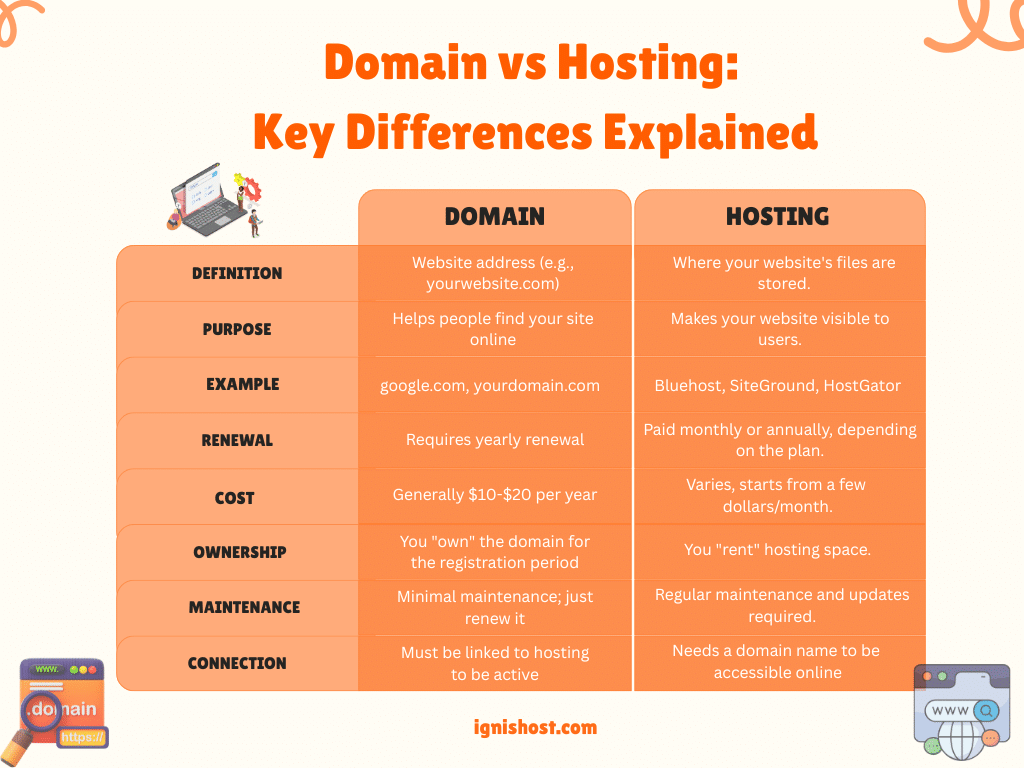
Okay, so let’s make sure we’ve got this straight. Your domain is like your home address, and hosting is where your website physically exists. You need both to make your website functional.
Think about it like this:
- Without a domain, you have no address. No one will know where to find your website.
- And without hosting, you have no house. Even if someone knew your address, there’s nowhere for them to go.
That’s why both are essential. When you register a domain and choose hosting services, you’re putting the two together to create a complete, functional website.
Before we dive into the process, let’s take a moment to explore the signs that indicate you need to upgrade your web hosting plan. Understanding when it’s time to level up can help ensure your site stays fast, secure, and scalable as it grows. Check out these key signs you need to upgrade your hosting plan to make sure you’re getting the best performance for your website.
How to Set Up Your Domain and Hosting
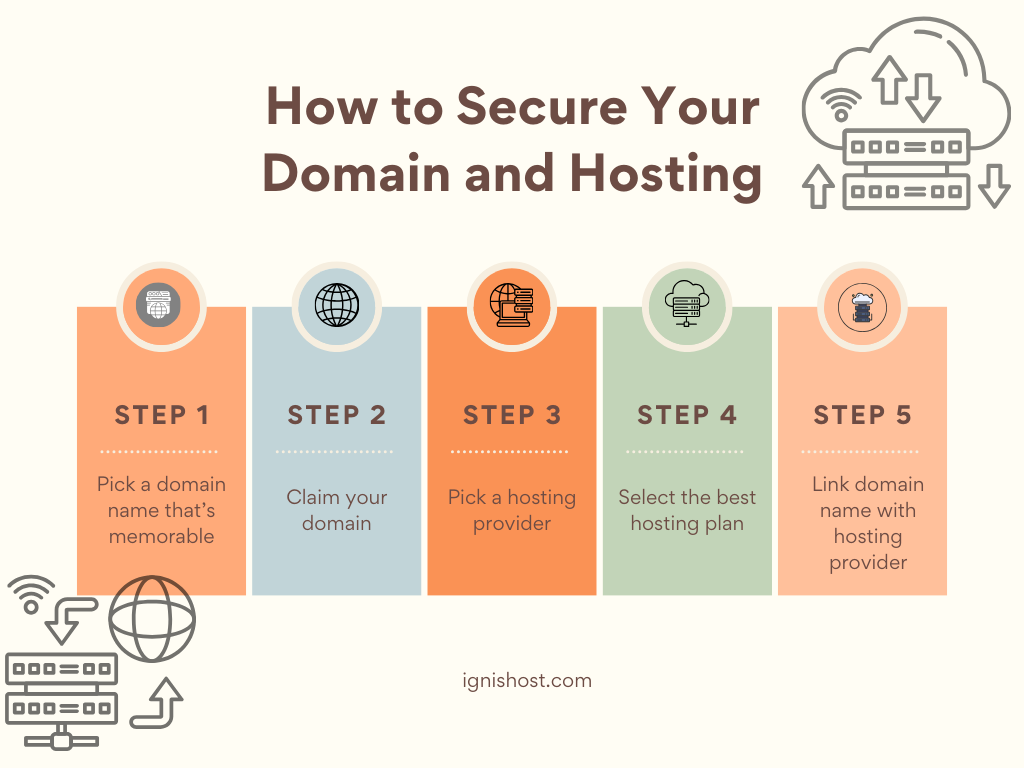
Here’s the process of getting your domain and hosting set up, step by step:
- Pick a Domain Name: Choose a name that’s short, easy to remember, and matches your brand or website purpose. You can check for availability using a domain registrar like GoDaddy, Namecheap, or Google Domains.
- Register the Domain: Once you’ve picked a name, register a domain. This means paying for the right to use that name for a set period (usually a year).
- Choose a Hosting Provider: After you’ve secured your domain, pick a hosting plan from one of the many hosting companies. Providers like Bluehost, HostGator, or SiteGround are all good options. They offer various plans based on your website’s needs.
- Connect the Domain to the Hosting: Once you’ve got both, you need to link your domain name system (DNS) to your hosting servers. This usually involves updating the DNS settings, but your hosting provider will walk you through it.
Hosting vs Domain: Which Should You Get First?
A lot of people wonder: Which should I get first? The domain or the hosting?
The answer is: Start with the domain. You can’t set up a website without one, so it’s best to grab your domain name as soon as possible. Once you have the domain, choose a web hosting service that fits your needs.
Some hosting companies even offer free domain registration when you sign up for their hosting plan, which can save you time and money. So, consider that when choosing where to host your site.
Ending Remarks
At the end of the day, hosting and domain names are two separate, but equally important, elements that work together to get your website live. One gives you an address, and the other gives you the physical space to store your content. You need both for your website to function properly.
Without a domain, no one will be able to find your site. And in simple words, without hosting, even if they do find it, there will be no content for them to see. So, take your time choosing both wisely, and you’ll be on your way to building a successful online presence.
Frequently Asked Questions
Let’s wrap up our discussion on domain vs hosting by answering a few questions.
What’s the difference between a domain name and hosting?
A domain name is your website’s address, while hosting is where the website’s files are stored. Both are essential for a live website.
Can I buy a domain name without hosting?
Yes, you can buy a domain on its own. However, you will still need hosting to make the website accessible online.
Do I need to renew my domain every year?
Yes, domain names need to be renewed annually to keep them active.
Can I transfer my domain to another hosting provider?
Yes, you can transfer your domain name to another provider if needed. The process is relatively simple.
How do I know which hosting is right for my website?
Consider your website’s needs: how much traffic you expect, your technical knowledge, and the kind of website you’re running. For beginners, shared hosting is a good starting point.