

If you run an online business selling products or services, you probably already know that web hosting is absolutely non-negotiable. Gone are the days when you could get by with a simple server setup. Today, the world of web hosting is vast and diverse, from cloud hosting and VPS hosting to more complex, high-performance solutions. The game has completely changed, and understanding your options is key to ensuring your site runs smoothly, stays secure, and provides the best experience for your customers. So, let’s talk about what’s really behind the shift in web hosting and why it’s more important than ever to get it right! Interested in staying ahead with the future of web hosting? Let’s explore how these trends can help your website stay competitive and secure.
Why Web Hosting Still Matters

Credit: meridianmarketingagency.com
I think it’s important to know why web hosting is still in the game before we dive into web hosting trends. So, let’s take a quick moment to understand why web hosting is so important for your website. Your hosting solution is the backbone of your online presence. It determines:
- Performance — How fast your site runs, which impacts user experience and SEO.
- Reliability — Ensuring your site is accessible to visitors 24/7.
- Security — Keeping your site and data safe from cyber threats.
- Scalability — Allowing your hosting to grow with your business.
Whether you’re a small business owner, a blogger, or running an online store, choosing the right web hosting and maintenance services is critical for long-term success.
Not sure where to start? At Ignishost, we are dedicated to providing you with the best hosting, both affordable and reliable. Talk to us for a variety of hosting options.
So, ready to learn about the future of web hosting and how these trends can impact your site? Keep reading to find out more!
Types of Web Hosting
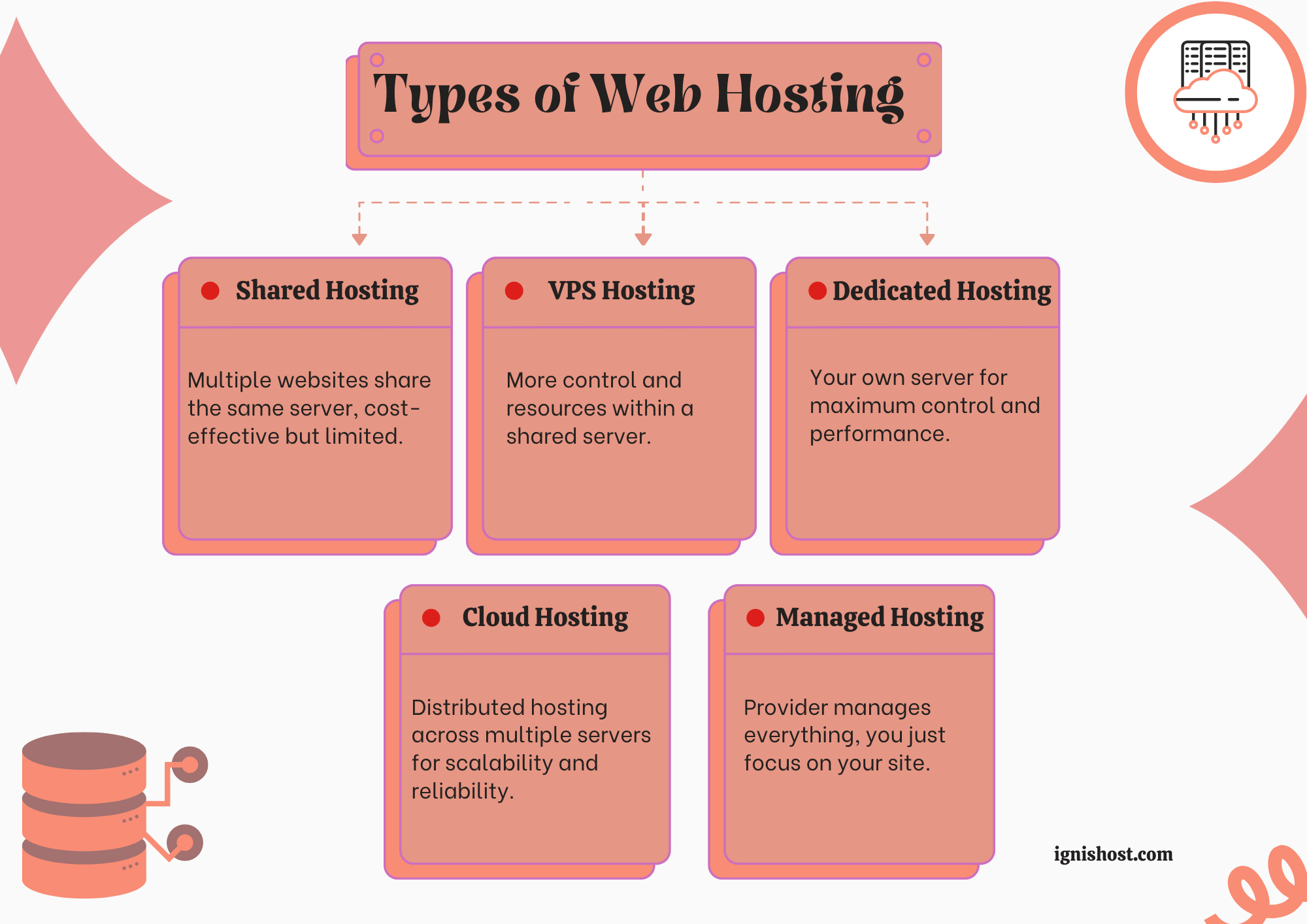
Now, before we get into the future of web hosting, let’s quickly cover the basic types of hosting you might encounter:
- Shared Hosting: Multiple websites share the same server. It’s the most budget-friendly option, but it can be limiting in terms of resources.
- VPS Hosting: Virtual Private Server hosting provides more control and dedicated resources compared to shared hosting. It’s a great option if you need a balance of affordability and performance.
- Dedicated Hosting: You get an entire server for your website. It offers the best performance but comes with a higher price tag.
- Cloud Hosting: Hosting is distributed across multiple servers, making it highly performant, scalable, and cost-effective.
- Managed Hosting: The hosting provider handles the management of the server, security, backups, and software updates, making it an excellent choice for those who don’t want to handle technical tasks.
So, you have learned about different types, but are not sure how to choose the right hosting provider? Don’t worry, this guide on choosing the right hosting provider breaks it all down so easily that you can set up your priority list before going into the details. So, check it out now.
Now that we’ve got the basics down, let’s take a look at web hosting trends and what the future of web hosting is in 2026.
AI-Powered Hosting: The Future of Smart Performance

Credit: vernalweb.com
AI and machine learning aren’t just buzzwords; they’re becoming central to hosting services in 2026. Here’s how they’ll change the game:
- AI-driven optimization: Hosting providers will use AI to predict traffic spikes and automatically allocate resources before any slowdowns happen.
- Real-time problem-solving: AI can monitor your website 24/7, detecting potential security threats and performance issues before they impact your site.
- Intelligent scaling: Your site will scale based on real-time data, ensuring you only pay for the resources you need, without overpaying for idle server space.
These changes will make it easier for you to run a high-performance website without needing in-depth technical knowledge. AI-driven hosting will allow for smoother, faster, and more reliable hosting experiences for businesses of all sizes.
Looking to optimize your website’s performance with AI? Don’t miss out on AI-powered hosting services; they’re the future of cost-effective hosting!
Edge Computing: Hosting That’s Closer to Your Visitors
Credit: ionos.com
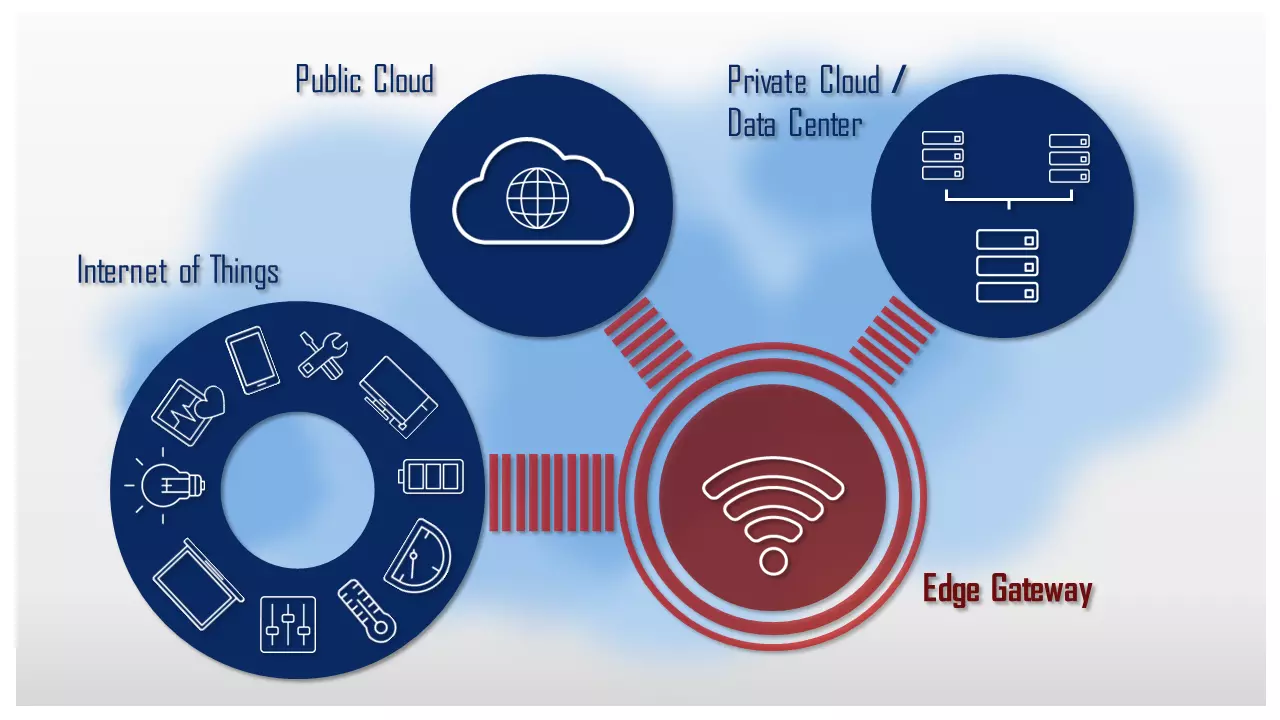
As websites grow and users expect faster load times, edge computing will become essential.
- Faster load times: By placing content and data closer to your users (at the edge), web hosting services will ensure quick access to your site, no matter where your audience is located.
- Better global reach: Edge computing allows businesses with global audiences to serve content from nearby locations, improving load times and user experience.
- Resilience: Distributing data across multiple locations means that if one server fails, another takes over, ensuring real-time uptime and reliability.
This is especially important for websites that have a global reach, as edge computing ensures that users in different regions experience faster and more reliable access to your site.
Sustainable Hosting: Go Green with Your Hosting

Credit: blog.superbthemes.com
With increasing concerns about climate change, more hosting providers are moving toward eco-friendly practices. By 2026, sustainability in hosting will be a big trend:
- Green data centers: Hosting providers will run their data centers on renewable energy, making green hosting a priority for environmentally conscious businesses.
- Efficient cooling systems: Reducing energy consumption with more efficient systems for cooling the servers, which traditionally consume a lot of power.
- Carbon offsetting: Hosting providers will offset their carbon footprint, making your website more sustainable.
If sustainability matters to your brand, choosing a green hosting provider will not only reduce your environmental impact but also appeal to customers who care about eco-friendly businesses.
Serverless Hosting: No Servers, No Problem

Credit: materialplus.io
Serverless hosting is another exciting trend that will take center stage by 2026. With serverless hosting, you don’t have to worry about managing servers. The hosting provider handles everything in the background:
- Automatic scaling: If your website traffic increases, your hosting automatically scales without you having to manage it.
- Cost efficiency: You only pay for the resources you use. No need to buy extra server space or worry about underutilized resources.
- Faster deployment: Serverless hosting makes it easy to deploy and maintain websites and apps without worrying about infrastructure.
This model allows you to focus on site content and user experience rather than worrying about the technical aspects of hosting.
Security and Compliance: Focus on Data Protection

Credit: ovhcloud.com
In the coming years, website security will continue to be a top priority. As cyber-attacks become more sophisticated, hosting providers will have to ramp up their security offerings:
- Advanced encryption: Hosting services will offer better SSL encryption and data protection to secure sensitive customer data.
- Compliance with regulations: Hosting providers will ensure that websites comply with data protection laws like GDPR, CCPA, and others.
- DDoS protection: To safeguard against malicious attacks, DDoS protection will become standard in hosting packages.
For businesses handling sensitive customer data or operating in regulated industries, the future of web hosting will focus heavily on secure hosting services that meet the highest security and compliance standards.
Hybrid and Multi-Cloud Hosting: Flexibility and Control

Credit: emma.ms
By 2026, the days of sticking to a single hosting solution will be behind us. Hybrid and multi-cloud hosting will be the norm:
- Multiple cloud environments: Businesses will mix public, private, and hybrid cloud environments to better manage their hosting needs.
- Flexibility: Hosting on multiple clouds allows businesses to select the best platforms based on performance, cost, and security.
- Increased resilience: Distributing data across multiple cloud environments means there’s no single point of failure.
This flexibility allows businesses to adapt quickly to new demands without worrying about the limits of traditional web hosting.
What Does This Mean for You?
So, what does all of this mean for your website? Whether you’re just starting out or running an established business, future hosting solutions are designed to make your life easier. Here’s how these trends will impact you:
- For small businesses: You can expect more affordable hosting services that don’t compromise on performance or security.
- For growing businesses: As your site scales, cloud-based solutions and serverless hosting will make it easier to adjust to changing needs.
- For enterprises: You’ll be able to leverage multi-cloud and hybrid hosting for even greater flexibility and reliability.
The goal of all these innovations is simple: to make hosting as easy, scalable, secure, and cost-effective as possible.
Final Words
As we move into 2026, the future of web hosting looks bright. Hosting will be smarter, faster, and more efficient. From AI-driven optimizations to serverless hosting and green data centers, the next era of hosting is all about high performance, scalability, and security. By staying ahead of these trends, you’ll be setting your website up for success, no matter where your business is today.
Frequently Asked Questions
Looking for more insights? Here’s what you need to know.
What is AI-driven hosting, and how will it help my website?
AI-driven hosting uses artificial intelligence to optimize your website’s performance, scale resources, and enhance security, all automatically.
What is edge computing, and why is it important for my site?
Edge computing reduces latency by storing content closer to users, resulting in faster load times and improved performance.
Will green hosting impact my website’s performance?
No! Green hosting uses renewable energy to power data centers without affecting performance, so your site can remain fast and secure while being environmentally responsible.
How does serverless hosting work?
Serverless hosting automatically scales your website based on traffic and only charges for resources used. You don’t have to manage servers yourself.
How secure will my website be in the future of hosting?
In 2026, website security will be stronger than ever, with advanced encryption, real-time threat detection, and GDPR-compliant hosting services to keep your site protected.